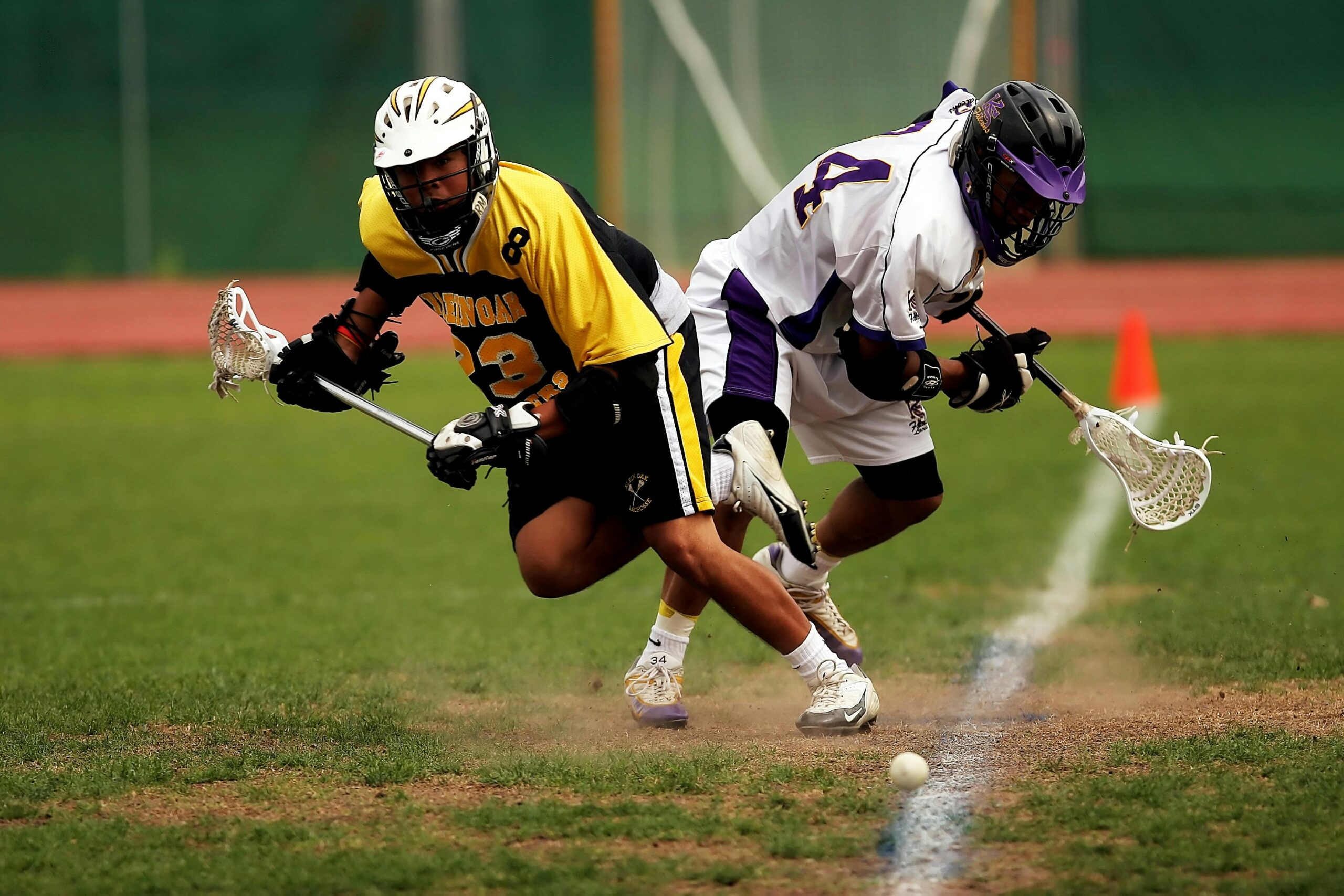
Lacrosse isn’t just a sport—it’s a living tradition rooted deep in North America’s history. Long before stadiums and scoreboards, Indigenous communities played stickball for spirituality, diplomacy, and sheer spectacle. Their matches, stretching across fields and days, shaped tribal bonds and warrior spirit.
When French missionaries encountered the game in the 1600s, they dubbed it “lacrosse,” seeing the stick as a bishop’s crozier. But the essence remained: teamwork, endurance, and raw excitement. Canadian physician Dr. William George Beers formalized the game in the late 1800s, paving its way from tribal lands to college campuses and international arenas.
Today, lacrosse commands attention for its explosive energy and unique cultural legacy. As players dash, dodge, and score, they carry centuries of Indigenous resilience—a reminder that sports are more than games; they’re stories woven into our communities.
Lacrosse isn’t just growing; it’s reclaiming its voice, both past and future, and inviting the world to listen